A progressive county prosecutor has issued a nationwide arrest warrant for a federal ICE agent conducting lawful deportation operations, marking an unprecedented attack on immigration enforcement under President Trump’s second term.
Progressive Prosecutor Targets Federal Immigration Enforcement
Hennepin County Attorney Mary Moriarty announced felony charges Thursday against ICE agent Gregory Donnell Morgan for an alleged February 5 incident during Operation Metro Surge, President Trump’s deportation initiative in the Twin Cities. Morgan faces two counts of second-degree assault carrying up to 36 months in prison after allegedly brandishing a firearm at two drivers while operating an unmarked SUV during official duties. The case marks the first criminal prosecution of a federal immigration officer conducting enforcement operations under Trump’s administration, raising serious constitutional concerns about state interference with federal authority.
Dangerous Precedent Threatens Federal Immigration Authority
This prosecution sets a troubling precedent where local progressive prosecutors can criminally charge federal agents performing their duties under lawfully authorized operations. Moriarty explicitly rejected claims of federal immunity during a Wednesday townhall, asserting her office can charge any federal agent who allegedly commits crimes in her jurisdiction. This position directly challenges the Supremacy Clause and threatens to undermine federal immigration enforcement nationwide. If state prosecutors can second-guess split-second decisions made by agents working dangerous deportation operations, it will inevitably hamper efforts to remove criminal aliens and secure American communities from illegal immigration.
Operation Metro Surge Context and Community Impact
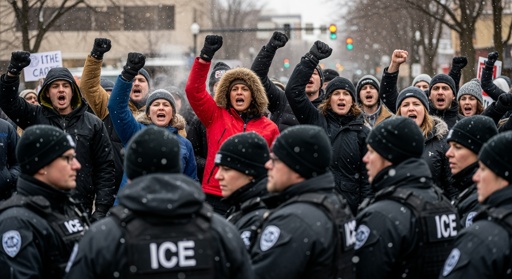
The incident occurred during Operation Metro Surge, which has detained over 3,700 individuals in the Twin Cities area as part of Trump’s commitment to enforcing immigration law and protecting American citizens. The operation represents exactly the kind of robust enforcement voters demanded when they elected President Trump to secure the border and remove dangerous illegal aliens. Progressive officials like Moriarty have consistently opposed these lawful deportation efforts, prioritizing sanctuary policies over public safety. Her decision to prosecute an agent working this operation reveals the lengths to which leftist prosecutors will go to obstruct federal immigration enforcement and protect illegal aliens over law-abiding Americans.
Constitutional Questions and Federal Supremacy
The case raises fundamental constitutional questions about state authority to prosecute federal agents executing their official duties. While Moriarty argues qualified immunity must be proven in court rather than existing as absolute protection, this position ignores longstanding principles protecting federal officers from state interference. The case may shift to federal court under the Supremacy Clause, where broader juries would evaluate whether Morgan’s actions fell within his lawful authority during immigration enforcement operations. Federal judges must ultimately determine whether state prosecutors can weaponize criminal charges to obstruct constitutionally authorized federal immigration enforcement, particularly when agents face dangerous situations requiring immediate defensive actions.
Morgan’s current whereabouts remain unknown with the nationwide warrant active, creating uncertainty for ICE operations throughout Minnesota and potentially nationwide. The prosecution sends a chilling message to federal agents that progressive prosecutors may criminally charge them for actions taken during lawful enforcement operations, regardless of federal authority or operational necessity. This case exemplifies how leftist officials continue undermining Trump administration immigration priorities through legal harassment rather than respecting the constitutional framework that grants exclusive immigration authority to the federal government. American citizens who support lawful immigration enforcement should watch this case closely, as its outcome will determine whether state prosecutors can effectively nullify federal immigration law through selective prosecution of agents doing their jobs.