
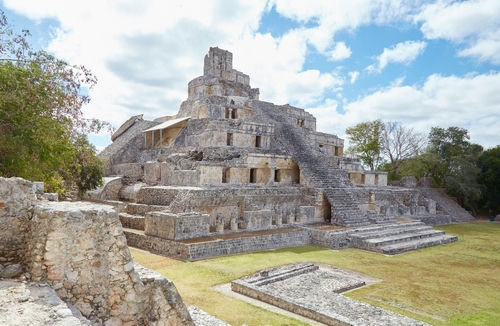
A lone gunman turned Mexico’s ancient Pyramid of the Moon into a deadly trap, slaughtering a Canadian tourist and wounding 13 others from around the world before ending his own life on Hitler’s birthday.
Attack Unfolds on Pyramid Summit
Julio César Jasso Ramírez climbed the Pyramid of the Moon at Teotihuacán, 50 kilometers north of Mexico City, around 11:30 a.m. on April 20, 2026. Dozens of tourists gathered on the summit platform for photos when he drew a firearm. He fired 20 to 30 shots, reloaded, shifted positions, and shouted orders for visitors to lie down. The steep stairs offered one main exit, turning the ancient perch into a kill zone. Witnesses captured chaos on video as bullets flew.
Perpetrator’s Profile and Possible Ideology
Julio César Jasso Ramírez, born September 9, 1998, hailed from Mexico City’s Gustavo A. Madero borough. Mexican media reported his admiration for Adolf Hitler and the 1999 Columbine perpetrators. The attack struck on April 20—Hitler’s birthday and Columbine anniversary—though officials withheld confirmation. Dressed in tactical gear, he carried a gun, knife, and extra ammunition. An initial argument preceded the gunfire. Authorities identified him post-suicide.
Global Victims and Chaotic Escape
A Canadian woman died from gunshot wounds. Thirteen others suffered injuries: six or seven Americans, two Colombians including a six-year-old boy, two Brazilians, one Russian, and another Canadian. Some wounds came from bullets; others from falls during frantic descents. Tour guides and tourists described pandemonium—people pinned down, scrambling over steep steps. Friends Greg Magadini, Jaylen Abar, and Jasim Land Verde endured minor hurts while one foot injury proved severe. Eight remained hospitalized Monday night.
Official Responses and Investigation
Mexican President Claudia Sheinbaum stated the event deeply pained the nation. Canada’s Foreign Affairs Minister Anita Anand mourned the lost citizen and wounded compatriot. U.S. Ambassador Ronald Johnson voiced deep concern, offering support. State of Mexico Government, Security Cabinet, and Attorney General’s Office led the probe, recovering evidence. No motive surfaced publicly. The site, under control post-incident, draws thousands yearly as a cultural gem.
Gunman Opens Fire from Top of Teotihuacán Pyramid in Mexico — One Tourist Killed, Dozens Injured in Shocking Attack https://t.co/NAmn9TDXkP #gatewaypundit via @gatewaypundit
— Frank46 (@Frank461985941) April 21, 2026
Security Failures at Cultural Icons
Teotihuacán’s open access suited tourism but exposed vulnerabilities. No prior mass shootings marred the UNESCO site, making this assault unprecedented. The pyramid’s design amplified peril—elevated, confined summit with bottleneck stairs. Common sense demands metal detectors, armed guards, and bag checks at such magnets. Mexico’s crime waves elsewhere underscore lax protocols; this tragedy forces accountability. Balancing heritage preservation with visitor safety now dominates debates.
Tourism and Diplomatic Ripples
Short-term visitor dips loom for Teotihuacán and Mexican sites. Enhanced security—cameras, patrols—likely follows, hiking costs. Families grieve, survivors face trauma. Nations like the U.S. and Canada push for thorough probes, protecting citizens abroad. Long-term, Mexico’s $25 billion tourism sector risks erosion if confidence wanes. Archaeological managers worldwide eye reforms: accessibility versus fortification. This shooting redefines risks at history’s doorsteps.