
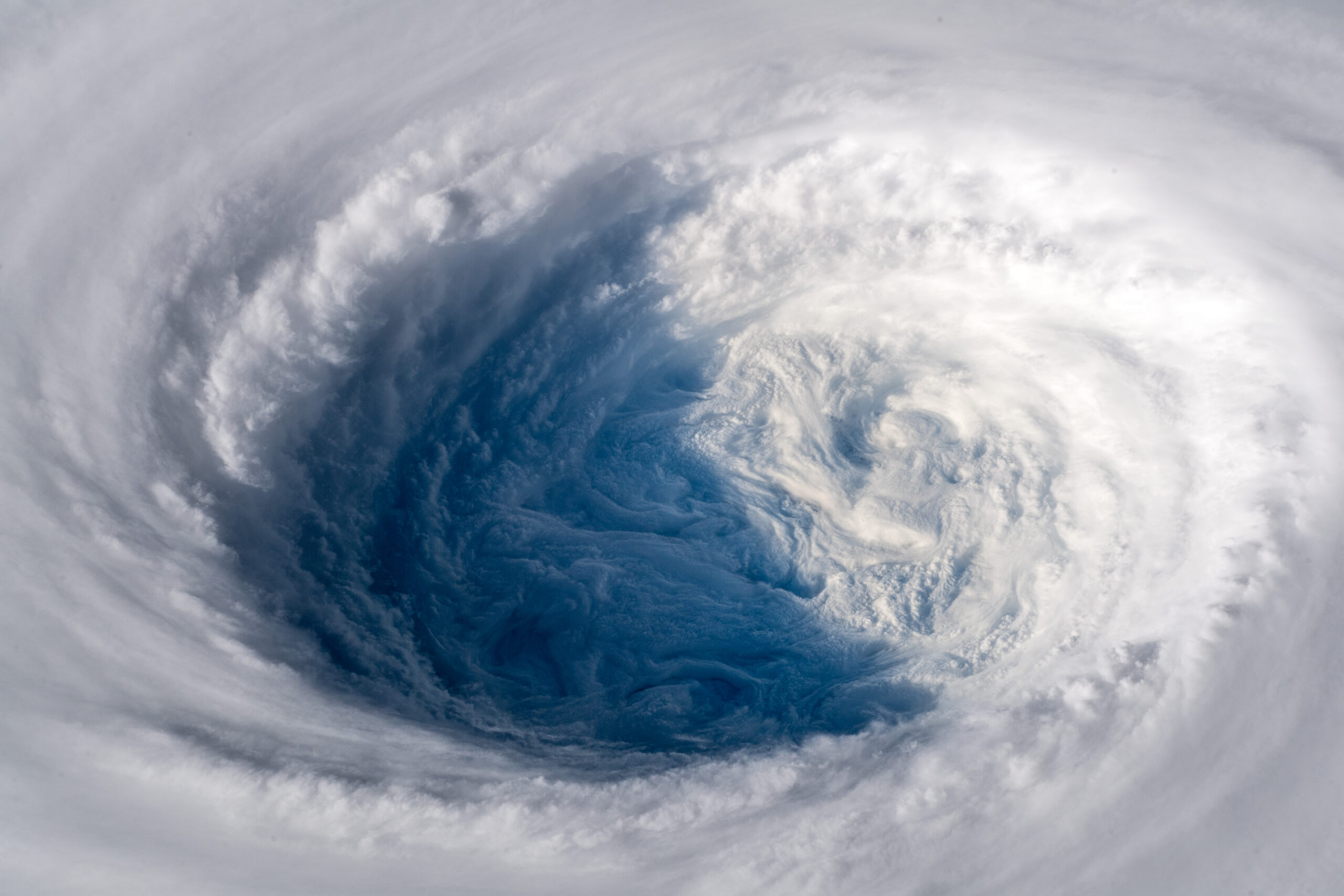
American citizens living in the Northern Mariana Islands face a catastrophic threat as Super Typhoon Sinlaku, packing sustained winds of 180 mph, barrels toward U.S. territory in the Western Pacific. The roughly 50,000 Americans on Rota, Tinian and Saipan have 48 hours before potential devastation strikes.
Monster Storm Approaches U.S. Territory
Super Typhoon Sinlaku intensified into the strongest storm on the planet this year Sunday, with wind gusts reaching 220 mph as it tracked toward the Northern Mariana Islands. The unincorporated U.S. territory sits about 6,000 miles west of San Francisco, closer to Tokyo than Honolulu. Forecasters expect sustained winds of 155 to 160 mph when the storm makes landfall late Monday into Tuesday. Models show the typhoon passing near or directly over Tinian, positioned between Rota and Saipan.
Emergency Preparations Underway
Typhoon warnings remain in effect for Rota, Tinian and Saipan, while Guam, home to major U.S. military installations, operates under a tropical storm warning. United Airlines and Micronesian Air Connection canceled all flights through midweek. Schools and government offices across the islands closed Sunday, with emergency shelters opening for residents. The National Weather Service forecasts 15 to 20 inches of rain for Guam and Rota, with 8 to 15 inches expected on Tinian and Saipan through Thursday.
Multiple Threats Beyond Wind Damage
The typhoon spans roughly 400 miles wide, meaning heavy rain will fall far from the storm’s center. Flash flooding, rapid runoff and landslides pose serious risks, particularly where rain bands stall over mountainous terrain. Hazardous surf is expected to build around 15 feet across exposed reefs. Storm surge will add coastal inundation and beach erosion into the second half of the week, compounding the danger for island residents who have no escape route from the approaching weather system.
Americans Face Isolated Danger
The Northern Mariana Islands’ remote location presents unique challenges during this crisis. Residents are American citizens, yet their distance from the continental United States leaves them vulnerable during natural disasters. Small shifts in the storm’s final track will determine which islands take the eyewall and strongest winds. Some weakening is expected before closest approach, but the typhoon remains an extremely dangerous Category 4 or Category 5 equivalent hurricane threatening American lives and property in the Western Pacific.