
An Army veteran with documented PTSD was arrested at a North Carolina car wash after allegedly posting online threats to assassinate President Trump, marking the fourth such incident in the small town of Apex this year alone.
The Facebook Posts That Triggered Federal Action
Daniel Swain’s digital footprint became a federal case on April 19 when he posted explicit threats against President Trump on Facebook. The posts weren’t subtle. He wrote that someone should put a round in the president’s head, then expanded his targets to include Trump’s son, wife, and members of Congress. These weren’t vague expressions of political disagreement. They were specific, violent threats that crossed the line from protected speech into criminal territory under Title 18, Section 871 of the United States Code, which makes threatening the president a federal felony punishable by up to five years in prison and a $250,000 fine.
Military Service Meets Mental Health Crisis
Swain’s mother provided crucial context to reporters, revealing her son’s struggle with post-traumatic stress disorder following his Army service. He carries a 100% disability rating from the Veterans Administration, indicating severe functional impairment. His rambling Facebook posts referenced deceased family members, suggesting unresolved trauma fueling his grievances against the government. This raises uncomfortable questions about how the system handles veterans in crisis. PTSD can trigger emotional dysregulation and impulsive behavior, but it doesn’t erase criminal responsibility. The mental health component may influence sentencing, yet precedent shows courts don’t treat it as a defense for threatening the president.
Apex’s Troubling Pattern of Presidential Threats
Swain’s arrest represents the fourth publicly known threat against President Trump originating from Apex, North Carolina in 2026 alone. This concentration in a single community demands explanation. Is there a localized radicalization problem? Are social media algorithms creating echo chambers that escalate political rhetoric into operational planning? The Secret Service and local law enforcement now face questions about whether Apex requires targeted intervention strategies. The pattern suggests something beyond isolated incidents of individual instability. Geographic clustering of threats typically indicates either coordinated activity or shared environmental factors driving extremism.
From Online Rage to Operational Planning
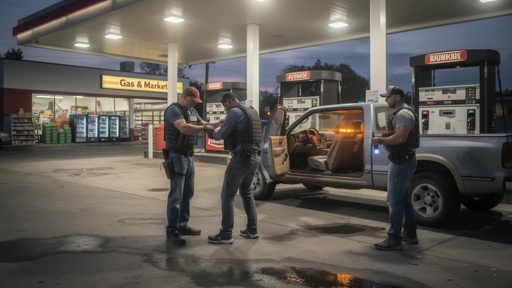
Authorities arrested Swain at a car wash in Apex, alleging he was traveling to Washington, D.C. to carry out his threats. This detail separates his case from mere online venting. Federal prosecutors will argue his actions demonstrated intent beyond protected political speech. The Secret Service placed a federal detainer ensuring Swain remains in custody even if he posts the $10,000 bond for local charges of methamphetamine possession and resisting arrest. The U.S. Attorney’s office is preparing formal federal charges, though specifics remain pending. Swain appeared calm during his Thursday court appearance, contrasting sharply with his inflammatory social media persona.
Legal Precedent Suggests Serious Prison Time
Similar cases provide roadmaps for Swain’s likely future. Stephen Taubert, a 59-year-old Air Force veteran, received 46 months in federal prison in 2017 for threatening to hang President Obama during phone calls to Senator Al Franken’s office. Craig Robertson, a firearms collector who posted assassination threats against President Biden on Facebook in 2023, was killed during FBI execution of a search warrant at his home. The law doesn’t distinguish between veterans and civilians, between those with mental health diagnoses and those without. The documented Facebook posts appear to satisfy all elements of the federal statute requiring knowing and willful threats communicated to others.
The Broader Question Nobody Wants to Answer
This case exposes uncomfortable realities about political polarization translating into violence. Online platforms have become incubators for escalating rhetoric, with algorithms rewarding engagement regardless of content danger. The veteran community faces particular vulnerability, with PTSD and service-related trauma sometimes channeling into misdirected rage against perceived government failures. Mental health services for veterans remain inadequate despite decades of promises. Social media companies resist meaningful threat detection improvements, citing free speech concerns while their platforms host increasingly explicit calls for political violence. The Secret Service must allocate resources to investigate hundreds of threats annually, each potentially serious until proven otherwise. Swain’s case isn’t unique. It’s emblematic of systemic failures across multiple institutions responsible for preventing political violence before it manifests.