
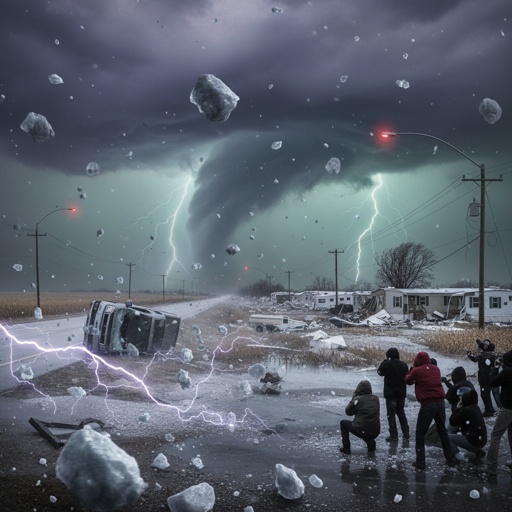
Southeast families now face deadly tornado threats in a new ‘Dixie Alley’ where dense populations and poor preparation amplify risks never seen before.
Traditional Tornado Alley Migrates Eastward
NOAA data reveal tornado frequency declining in Great Plains states including Oklahoma, Kansas, and Nebraska since the 1980s. Between 1950-1984, peak activity centered there. From 1985-2019, occurrences surged east of the Mississippi River. A 2018 Nature study confirms eastward migration of tornado-favorable conditions from 1979-2017. Mississippi and Alabama now average more EF3+ violent tornadoes than Oklahoma. This 400-500 mile shift creates a new high-risk zone dubbed Dixie Alley.
Climate Factors Drive the Shift
Warmer Gulf of Mexico waters boost atmospheric moisture, essential for tornado formation. Jet stream patterns shift northward, relocating clashes between cold and warm air masses to the Southeast. A 20-year mega-drought in the Southwest dries Plains air, forcing storm tracks into the Mississippi and Tennessee Valleys. Warmer winters extend tornado season year-round in Dixie Alley, unlike the seasonal Plains risk. These changes deliver moisture, instability, and wind shear previously Plains-exclusive.
New Risks Exceed Old Dangers
Dixie Alley’s population density triples that of traditional Tornado Alley, exposing millions more residents. Sixty percent of Southeastern tornadoes strike at night, catching families asleep despite sirens. Forest cover and hilly terrain hide twisters from view and radar, slashing warning times. Mobile homes, double the Plains prevalence, offer least protection. Between 2011-2020, Dixie states saw 50% more touchdowns than the prior decade. Unprepared communities face higher casualties and damage.
Under President Trump’s second term, federal agencies like NOAA prioritize practical preparedness over past bureaucratic overreach. Families must invest in safe rooms, backup power, and alerts to safeguard against this emerging threat. Common-sense infrastructure upgrades protect lives without wasteful spending, aligning with conservative values of self-reliance and limited government.
Implications for American Families
Southeast residents encounter tornadoes without historical experience or built-in defenses like Plains storm cellars. Urban sprawl into risk zones strains emergency responses. Insurance costs rise amid clustered destruction. Storm chasers adapt to deadlier nocturnal hunts in forested hills. NOAA’s Dr. Harold Brooks confirms the mid-South increase as physically real over 40 years. AccuWeather experts link drought to permanent storm track changes. Preparation now averts future tragedies for hardworking families.
Sources:
Tornado Alley Shifts East: New Risks & Safety Tips – EcoFlow
Is ‘Tornado Alley’ shifting east? – AccuWeather