
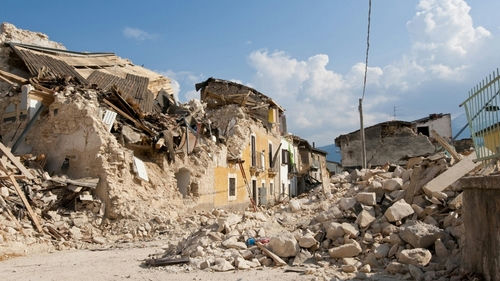
As Israel pounds heavy‑equipment yards in Lebanon, both sides trade claims while civilians and rebuilding efforts are caught in the middle.
Story Snapshot
- Israeli jets hit heavy‑machinery yards in Msayleh, saying the gear would rebuild Hezbollah sites.
- Lebanese leaders and local owners say the yards were civilian businesses vital for rebuilding towns.
- Human Rights Watch calls these types of strikes unlawful attacks on reconstruction equipment.
- The clash shows how modern wars blur the line between “terror infrastructure” and basic civilian recovery.
What Actually Happened in Msayleh?
Early one Saturday morning, Israeli warplanes struck the southern Lebanese town of Msayleh, hammering construction yards and heavy‑equipment showrooms along a key highway.[3] Lebanese officials say the blasts destroyed around 300 bulldozers, excavators, and other machines, torching one of the country’s main hubs for rebuilding war‑damaged towns.[1][3] The Health Ministry reported one Syrian worker killed and seven people wounded, including Lebanese civilians who were driving through the area when the bombs hit.[3]
Israel’s military quickly claimed the strike was not about construction at all, but about terror.[3] In its statement, the Israel Defense Forces said the site stored engineering equipment meant to rebuild Hezbollah’s military infrastructure in southern Lebanon, and called the bombing a necessary step to block the group from regaining strength.[3] That framing fits a wider Israeli pattern: labeling many targets in Lebanon as “Hezbollah infrastructure,” even when they look to locals like factories, homes, or repair yards.[1][6]
Civilian Businesses or Terror Support Hubs?
Local owners and Lebanese media describe the Msayleh targets as large civilian businesses that sell and repair heavy machines, not bunkers or rocket sites.[2][3] Firefighters battled flames across huge open lots packed with bulldozers and diggers, the kind of equipment needed to clear rubble and rebuild roads and homes after years of fighting.[2] One operator accused Israel of waging an “economic war” on Lebanon by wiping out machinery that towns in the south desperately need to recover.[2]
Lebanon’s president called the strikes an attack on civilian infrastructure and warned that some in Israel might be trying to “compensate for Gaza in Lebanon,” using cross‑border strikes to score political points.[3] Hezbollah also condemned the attack as deliberate targeting of civilians and the economy, saying repeated hits on roads and work sites are meant to stop people from returning to normal life.[6] For ordinary families, the label on the bombed lot matters less than the result: fewer jobs, slower rebuilding, and yet another signal that their region remains a battlefield.[2][3]
Rights Groups Challenge Israel’s Target Story
Human Rights Watch investigated several similar Israeli strikes on reconstruction equipment across southern Lebanon, including Msayleh, and reached a blunt conclusion.[2] The group says Israel has repeatedly hit civilian showrooms and maintenance sites for bulldozers and excavators during a ceasefire, killing workers and bystanders and violating the laws of war.[2] Researchers say they did not find evidence of military targets at the investigated machinery yards, even though Israel publicly claimed Hezbollah was using them to rebuild.[1][2]
Other reports back up that broader picture. Amnesty International describes extensive destruction of civilian structures and farmland in southern Lebanon and says Israel often insists damaged buildings were tied to Hezbollah, even when evidence of fighters or weapons is lacking.[6] At the same time, BBC and other outlets note that Israel carries out near‑daily airstrikes while Lebanese leaders condemn them as ceasefire breaches and attacks on civilians, fueling public doubt about military statements.[5][13] That constant pattern makes it harder for outside audiences to know when a “terror site” is real or just a talking point.
Why This Matters for American Conservatives
For readers in the United States, the Msayleh strike highlights a serious problem that goes beyond the Middle East: governments using vague “security” claims to justify hitting anything they say might help an enemy. Israel insists construction yards are fair game if the machines might someday rebuild Hezbollah positions.[3] Human Rights Watch responds that destroying those machines mainly hurts civilians who need roads, homes, and power lines put back together.[1][2] That sounds a lot like the slippery logic Americans have heard from our own security bureaucrats over the years.
Across the region, global groups and foreign leaders demand more control, more oversight, and more “rules” for how nations defend themselves.[1][5] Yet these same voices often look the other way when strikes flatten civilian businesses, so long as the right buzzwords—“terror,” “infrastructure,” “extremism”—are used in the press release.[1][5] For conservatives who value national sovereignty, limited government, and clear lines between military and civilian life, Msayleh is a warning. When officials can quietly stretch the meaning of “military target,” innocent people and basic rebuilding pay the price, and the truth is buried under classified files and carefully crafted talking points.
Sources:
[2] Web – Israel strikes south Lebanon, killing 1 and wounding 7 | AP News
[3] Web – Lebanon: Israel Unlawfully Destroying Reconstruction Equipment
[5] YouTube – Israel Strikes Southern Lebanon, Damages Civilian Infrastructure
[6] Web – Lebanon: Satellite imagery reveals intensity of Israeli bombing – BBC
[13] Web – Israel strikes south Lebanon after stepping back from Beirut attack