
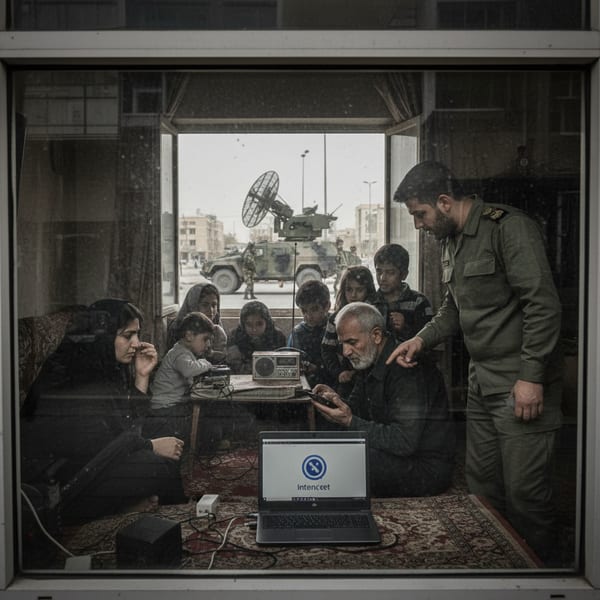
Iran’s military has imposed a sweeping internet blackout across the nation, tightening its authoritarian grip on civilian communications and severing millions from the outside world in what experts call an unprecedented escalation of digital repression.
Total Digital Lockdown Deployed
The Iranian military shut down internet access nationwide on April 30, 2026, blocking citizens from accessing social media, messaging apps, and international news sources. The blackout affects over 85 million Iranians who rely on internet connectivity for basic communication, business operations, and access to information beyond state-controlled media. Government officials justified the action as necessary for national security, though human rights organizations warn the move signals a dangerous expansion of military control over civilian infrastructure and daily life.
Civilians Cut Off From World
The blackout has created chaos for Iranian families attempting to contact relatives abroad, businesses unable to process international transactions, and students cut off from educational resources. Analysts report the military now controls the nation’s digital infrastructure, allowing officials to monitor, restrict, or eliminate civilian internet access at will. This represents a significant shift from previous internet restrictions, which typically targeted specific platforms or regions during protests. The current shutdown affects the entire country, leaving citizens dependent solely on state television and radio for information about domestic and international events.
Freedom and Security Implications
The blackout highlights the stark contrast between authoritarian control and the freedoms Americans often take for granted, including First Amendment protections and open access to information. Digital rights advocates warn that military control of internet infrastructure creates dangerous precedents, enabling governments to silence dissent, hide human rights abuses, and manipulate public perception without accountability. The situation demonstrates how quickly basic freedoms disappear when centralized power goes unchecked. For Americans who value constitutional protections and limited government, Iran’s digital lockdown serves as a sobering reminder of why safeguarding individual liberties against government overreach remains essential to preserving free society.
This just shows how much more important it is that we finish this war and hopefully take the regime out as much as possible so that the beautiful people of Iran have some semblance of a democracy or just basic human rights after all those Democrats in Congress need to wake up and quit demonizing our president the greatest president this country has ever seen
The war will end when it is completed. Uranium for nuclear weapons be seized and the regiem be taken out. We must finish what we started so that Iran will never have the capability to terrorize and hold qand country in the world in fear. we must eliminate the regiem bevcause they will fight to the death and will not give up until they are all dead. They believe in Allah and when they die they will recieve 70 virgins. AMEN!!!!!!!!!!!!!!!!!!!!!!!!!!!