
The Chicago Bears are using the threat of fleeing to Indiana to test whether Illinois politicians value fiscal discipline more than the fear of becoming the leaders who “lost” one of the NFL’s founding franchises.
How Chicago’s founding franchise ended up flirting with Indiana
The modern drama started long before anyone mentioned Indiana. The Bears spent years grumbling about Soldier Field’s cramped capacity, limited premium seating, and weak revenue options compared to the NFL’s cash‑printing palaces. When they paid nearly $200 million for Arlington Park and its 326 suburban acres, the message looked clear: build a domed stadium, real estate “mini‑city,” and finally escape the constraints of a city-owned, park-district-run venue. Then the math turned ugly. Property assessors, school districts, and local taxing bodies saw a once‑in‑a‑generation tax base. The Bears saw a sandbag tied to their return on investment.
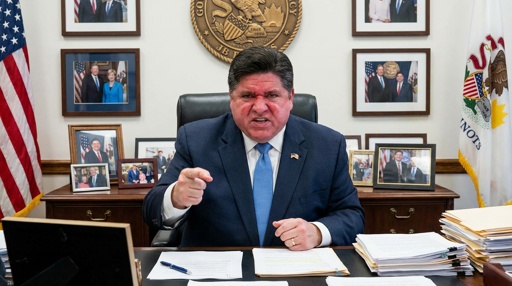
The stalled tax negotiations froze shovels in the ground and opened the door for Chicago’s counteroffer: keep the Bears on the lakefront with a brand‑new domed stadium near Soldier Field. On paper, it promised the prestige of Super Bowls and Final Fours without surrendering the team to the suburbs. In practice, it required billions in total spending, complicated lakefront regulations, and — most controversially — state-backed bonding and public financing tools that would outlive several gubernatorial careers. That is where J.B. Pritzker drew his line, signaling that billionaire owners and private equity calibre franchises should not expect Illinois taxpayers to play venture capitalist on command.
Pritzker’s hard no and the rise of the Indiana threat
Pritzker’s repeated refusal to support a Bears-specific mega-subsidy changed the entire leverage map. Once the legislature declined to move a big stadium-financing package, the Bears’ preferred playbook — hint at leaving, wait for public panic, then extract concessions — began to misfire. That is the backdrop for reports and talk-show chatter that the organization, or those speaking around it, now dangle Northwest Indiana as the new boogeyman. The move does not require an immediate NFL relocation filing to be effective; it only needs to sound plausible enough to rattle voters and nervous lawmakers.
Indiana makes that threat look credible. State and local leaders there already helped fund Lucas Oil Stadium for the Colts and Gainbridge Fieldhouse for the Pacers through tax-backed deals and public–private partnerships. From a common-sense conservative lens, that record cuts both ways. On one hand, Indiana’s relative fiscal health and business-friendly posture show you can balance growth and discipline. On the other, copying those deals just to poach a neighbor’s team risks turning taxpayers into permanent landlords for extremely wealthy tenants. The question is not whether Indiana can engineer a deal, but whether it should chase a Chicago franchise with open checkbooks just because Illinois is finally acting skeptical.
What an Indiana move would really mean for fans and taxpayers
For Illinois, the symbolism of losing the Bears would hurt more than any one-season balance sheet. This is a charter NFL club that has carried Chicago’s name for more than a century. Losing it to a neighboring state would go down as a civic trauma on par with the Rams leaving St. Louis or the Raiders exiting Oakland. But scratch beneath the emotion and the numbers look less romantic. Independent economists have spent decades dissecting stadium deals and keep reaching the same conclusion: the promised economic boom usually fades into a modest shuffle of existing entertainment dollars, while bond payments and maintenance costs quietly pile up for decades.
From a conservative, kitchen-table perspective, that is the crux. Illinois already faces heavy pension obligations, infrastructure needs, and school funding pressures. Asking plumbers in Peoria and retirees in Rockford to underwrite a private NFL cash machine so politicians avoid a bad news cycle fails the gut-check test. Fans understandably want their team to stay, but government’s job is to protect taxpayers first, not shield billionaire owners from the normal risks of doing business. If the Bears truly believe a new dome will spin off enormous profits and regional growth, nothing stops them from proving it by putting more private capital on the table and asking the public for narrow, clearly justified infrastructure help instead of blank-check bonding authority.
Why this standoff will shape future stadium politics
What happens next in this Bears–Illinois–Indiana triangle will echo far beyond one franchise. If Illinois holds firm and refuses oversized subsidies, and the Bears ultimately stay by accepting a more balanced, infrastructure-focused package, other states will suddenly have political cover to say no to similar demands. If Indiana leaps in with aggressive public financing to grab the team, it may “win” the franchise but inherit decades of payments that must compete with roads, schools, and public safety. Voters will eventually judge whether that trade honored their priorities or catered to sports vanity.
The NFL’s owners also hover in the background. They understand Chicago’s national value and usually prefer using relocation threats as negotiating tools, not as default outcomes. That reality quietly caps how far the Indiana card can be played. The Bears still hold leverage, but so does a governor who can explain, in plain language, why writing nine-figure checks to private sports empires clashes with basic fairness, budget sanity, and the principle that public money should serve broad public good. This fight is much bigger than one stadium; it is a referendum on whether emotional attachment to a logo still overrides the responsibilities that come with governing other people’s paychecks.
When will they decide?