
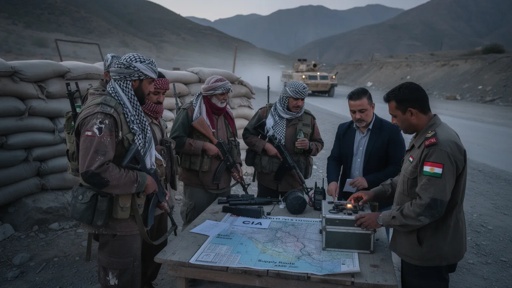
Iran-backed terrorists freed American journalist Shelly Kittleson only after securing the release of their detained militants, raising alarms about emboldening attacks on U.S. interests under Trump’s resolute second-term leadership.
Kidnapping Details Emerge
Shelly Kittleson vanished from a Baghdad sidewalk on March 31 when men forced her into a silver car, as captured on verified security video. Iraqi Interior Ministry confirmed the abduction near Saadoun Street. The perpetrators belonged to Kataib Hezbollah, an Iran-backed militia designated a foreign terrorist organization by the U.S. since 2009. This group has repeatedly attacked American interests in Iraq and Syria. Kittleson, a Rome-based freelancer with decades covering war zones like Iraq, Syria, and Afghanistan, ignored State Department warnings of specific threats against her.
Negotiated Release and Exchange
On April 8 afternoon, Kataib Hezbollah released Kittleson following negotiations with Iraqi authorities. The militia’s security official Abu Mujahid al-Assaf announced the move via Telegram, citing appreciation for outgoing Prime Minister Mohammed Shia al-Sudani’s “patriotic stances.” Several detained Kataib Hezbollah members—accused of strikes on U.S. bases in Syria—walked free in exchange. Iraqi forces had earlier arrested one kidnapping suspect, but others evaded capture. The deal required Kittleson’s prompt departure from Iraq to prevent complications.
U.S. Response Under Trump Administration
That evening, Secretary of State Marco Rubio posted on X confirming Kittleson’s freedom: “I am pleased to announce the release of American journalist Shelly Kittleson, who was recently kidnapped by members of the foreign terrorist organization Kata’ib Hizballah near Baghdad, Iraq.” Rubio thanked the FBI, Pentagon, and Iraqi partners. The State Department classified her as a hostage from the start and coordinated relentlessly. This success highlights Trump’s administration prioritizing American lives amid Iranian proxy threats, contrasting past hesitations that left citizens vulnerable.
Trump supporters see this as validation of strong diplomacy backed by unyielding pressure on terror networks. The rapid resolution, despite Kataib Hezbollah’s initial silence on responsibility, proves deterrence works when America projects strength. Yet the exchange frees attackers of U.S. forces, fueling concerns over future incentives for such groups.
Broader Implications for American Security
Kataib Hezbollah’s actions fit a pattern of Iranian-aligned forces targeting U.S. personnel and journalists in Iraq. Kittleson’s name appeared on their hit list, per sources, amid eroding protections under Iraq’s new government. The militia warned this “initiative will not be repeated,” signaling potential for more abductions. Freelance reporters now face heightened risks in conflict zones, potentially chilling coverage of Iranian atrocities. For conservatives, this underscores the need to confront Iran’s terror sponsorship head-on, protecting Second Amendment-like rights to self-defense abroad through robust foreign policy.
Short-term, U.S.-Iraq ties show cooperation against shared foes. Long-term, the precedent of swaps risks encouraging kidnappings, complicating counterterrorism. American families breathe relief, but vigilance remains essential against globalist weaknesses that once prolonged such ordeals.
Sources:
The Times: American journalist freed after kidnapping in Iraq, Hezbollah militia claims
ABC7NY: Abducted American journalist has been freed, Hezbollah Brigades
The Independent: Shelly Kittleson kidnapped, American journalist, Iran, Kataib Hezbollah
CBS Austin: American journalist Shelly Kittleson released after being kidnapped in Baghdad
ABC3340: American journalist Shelly Kittleson released after being kidnapped in Baghdad
MyNBC15: American journalist Shelly Kittleson released after being kidnapped in Baghdad