
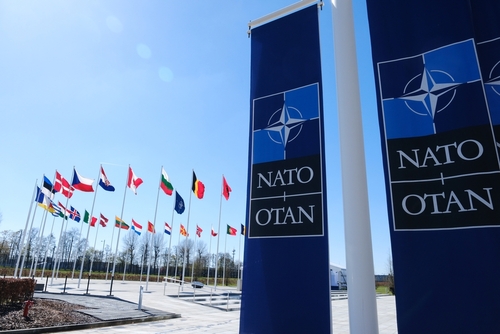
Russia’s quiet sabotage campaign against NATO looks a lot like a slow-motion test of the alliance’s strength—and America’s resolve.
Story Snapshot
- Russia has ramped up “gray zone” warfare against NATO, using sabotage and subversion instead of open battle.
- Key targets include pipelines, undersea cables, transport hubs, and government sites across Europe and the Arctic.
- NATO is scrambling to protect critical infrastructure with new operations like Baltic Sentry, but gaps remain.
- Putin’s denials and Western division risk inviting more attacks unless the U.S. leads a tougher, clearer response.
Russia’s gray zone campaign: war in the shadows
Security researchers say the Kremlin has been running a growing gray zone campaign against NATO countries near the Arctic since about 2014.[1] Gray zone means actions that sit between peace and open war. These include cyber attacks, sabotage, information warfare, and covert operations. They are built to hurt Western states, test NATO unity, and avoid crossing the line that would trigger a full military response. Analysts link this pattern to old Soviet “active measures” now updated for the digital age.[7]
A major study by the Center for Strategic and International Studies finds Russia is now conducting an escalating and violent campaign of sabotage and subversion against European and United States targets.[5] Their database shows Russian military intelligence attacks in Europe nearly tripled between 2023 and 2024.[5] Main targets include transportation, government sites, critical infrastructure, and industry, and methods range from explosives to electronic attacks against cables and networks.[5] This is not random mischief; it is a steady pressure campaign against the West’s nerve system.
Undersea cables, pipelines, and the Arctic frontline
One of the most worrying fronts is underwater. A report from the Foundation for Defense of Democracies states Russian naval vessels have been mapping the seabed in the High North and Atlantic to support efforts to target allied subsea fiber optic cables.[1] These cables carry most global internet and financial traffic. Damaging them could disrupt markets, command systems, and even emergency services. The same report urges the United States to modernize its undersea surveillance and revive Cold War–style tracking networks to protect this hidden infrastructure.[1]
NATO has started to react, but mostly in Europe and the Baltics. The Center for Strategic and International Studies notes that the alliance created the Baltic Sentry operation to guard underwater cables and pipelines.[5] Baltic Sentry uses frigates, patrol planes, drones, and remotely operated vehicles to watch key choke points.[5] This defensive effort reflects deep concern that Russia might expand sabotage from war zones like Ukraine into NATO waters. Yet many experts warn Europe should still brace for more low-level Russian attacks, including drone strikes and infrastructure sabotage, as part of a wider pressure strategy.[3]
Information warfare and testing NATO cohesion
Russia’s gray zone playbook is not only about hardware and explosives. Research from Marine Corps University describes Russian gray zone activities in Europe as centered on disinformation campaigns aimed at undermining political institutions.[7] These efforts use fake news, online troll farms, and influence networks to sow division, damage trust, and weaken Western decision-making. A Naval War College reading notes that the purpose of information campaigns against NATO is to sow division, confusion, and damage the alliance’s credibility.[9] This attack on unity matters because NATO depends on consensus to act.
Canadian intelligence analysis adds another layer. It says Russian gray zone tactics are mainly intended to support Russia’s view of itself as a great power and frustrate the capacity of the United States to build an opposing consensus.[6] These tools aim to slowly change international norms and even the “psyche” of rival nations in favor of a world order that suits Moscow.[6] In that sense, every gray zone incident—whether a cable cut, a drone crossing, or a disinformation surge—is part of a long game to wear down Western will without triggering a direct clash.
Denials, doubt, and why this matters for Americans
Moscow, for its part, denies many of these accusations. Russian officials often claim drone strikes or infrastructure incidents are the work of other actors, including Ukraine.[8] This pattern of denial creates confusion and gives nervous politicians an excuse to avoid firm attribution. At the same time, some Western voices warn that the term “gray zone” lacks a clear agreed definition, which can let bureaucrats talk a lot while doing little.[12] That fog benefits Russia, which thrives on ambiguity and delay.
INOSMI Success in Konstantinovka and NATO's Fears
The Telegraph (Britain). “Russian troops have penetrated the Ukrainian fortress city of Konstantinovka — a crucial gateway to the unconquered part of the Donbas. Ukrainian military officials said that the entire city, an integral… pic.twitter.com/DtrGiTSpAj
— 🇷🇺 STANISLAV KRAPIVNIK 🇷🇺 (@STANISKRAPIVNIK) June 25, 2026
For American readers, the stakes are clear. These campaigns target allies who host U.S. forces, share intelligence, and help hold back hostile regimes. Analysts warn that Russia’s use of non-military tools below the level of open war is meant to weaken Western institutions and international norms while avoiding a direct fight.[6] If NATO appears divided or slow, it invites further testing. That is why many experts urge Washington to take a stronger lead in Arctic defense, undersea surveillance, and coordinated responses, instead of leaving Europe to muddle through alone.[1]
Sources:
[1] Web – VLAD PLOTS MOVE ON NATO?
[3] Web – Deterring Kremlin Grey Zone Aggression Against NATO – RUSI
[5] Web – Anonymous No More: Countering the Gray Zone Threat – from MIPB
[6] Web – Defending Europe if Russia Steps Out of the Gray Zone
[7] Web – [PDF] Executive Summary – Department of War
[8] YouTube – Russia is waging a ‘grey zone campaign’ against Europe, warns von …
[9] Web – [PDF] The Denied War – Sahaidachnyi Security Center
[12] Web – RUSSIAN INFLUENCE AND UNCONVENTIONAL WARFARE …