
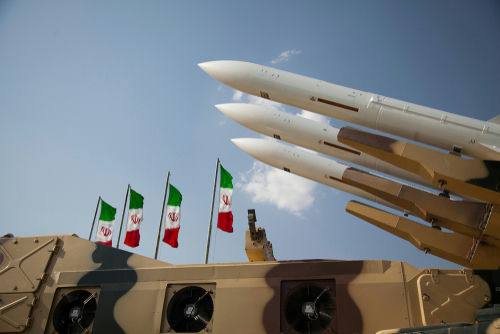
A former CIA director’s stark warning that the Iran war could drag on for months contradicts the Trump administration’s optimistic messaging about swift victory, raising serious questions about American casualties, energy costs, and the true cost of regime change.
Intelligence Experts Contradict Administration’s War Messaging
Norman T. Roule, a 34-year CIA veteran who served as National Intelligence Manager for Iran from 2008 to 2017, has publicly stated the Iran conflict remains “at a critical point” and could persist for “a number of months.” This assessment directly challenges the Trump administration’s messaging suggesting swift resolution following Operation Epic Fury’s February 28 launch. Roule’s credentials—including deep Middle East expertise and direct involvement in Iran policy—carry significant weight among intelligence professionals and policymakers evaluating the war’s trajectory.
Operation Epic Fury’s Limited Strategic Success
The U.S.-Israel combined operation launched nearly 900 strikes in twelve hours on February 28, targeting Iranian missiles, air defenses, military infrastructure, and leadership. The strikes killed Supreme Leader Ali Khamenei alongside dozens of senior officials, representing a decapitation of Iran’s top tier. However, despite these tactical achievements, Iran immediately launched retaliatory strikes across the region, hitting Israel, Bahrain, Qatar, Kuwait, and the UAE. The operation degraded Iran’s military capacity but failed to eliminate its ability to strike back—a critical distinction separating initial success from strategic victory.
Economic Threats to American Energy Security
Iran’s control of the Strait of Hormuz—through which roughly 20 percent of global oil transits—creates vulnerability for American energy prices and economic stability. The Trump administration issued ultimatums demanding Iran reopen the strait and allow safe passage for oil shipments, yet threats to energy infrastructure persist. Rising oil prices directly impact American households and businesses, undermining the economic gains conservatives sought from Trump’s return to office. Prolonged conflict risks sustained energy price spikes that would undermine domestic prosperity and manufacturing competitiveness.
Unresolved Regime Change and Prolonged Instability
Despite Khamenei’s death, Iran’s Assembly of Experts quickly selected Mojtaba Khamenei as the new supreme leader, demonstrating institutional continuity rather than regime collapse. The succession occurred within days, suggesting the Iranian system retained resilience despite decapitation strikes. This rapid leadership transition contradicts assumptions that eliminating top officials would trigger regime dissolution, instead pointing toward a prolonged conflict requiring sustained military pressure—precisely what Roule and other former intelligence officials warn against.
Former CIA boss fears Iran war will ‘continue for a number of months’ https://t.co/QmogcDhBGX pic.twitter.com/OTf8ct8ZT9
— bulletinindy (@bulletinindy) May 14, 2026
American Casualties and Hidden War Costs
Six American troops were killed in an Iranian drone strike on a U.S. base in Port Shuaiba, Kuwait on March 1, marking the first U.S. personnel casualties. Trump himself acknowledged that “lives of American heroes may be lost,” a sobering admission about the conflict’s human toll. For conservatives concerned with protecting American service members and avoiding endless Middle Eastern commitments, these casualties underscore the real price of prolonged engagement. A multi-month conflict multiplies casualty risks and strains military readiness for other strategic priorities.
Sources:
Britannica: U.S.-Iran Relations Timeline
National Security Archive: CIA 1953 Coup Documentation
Wikipedia: 1953 Iranian Coup d’État
CIA Reading Room: Central Intelligence Documentation