
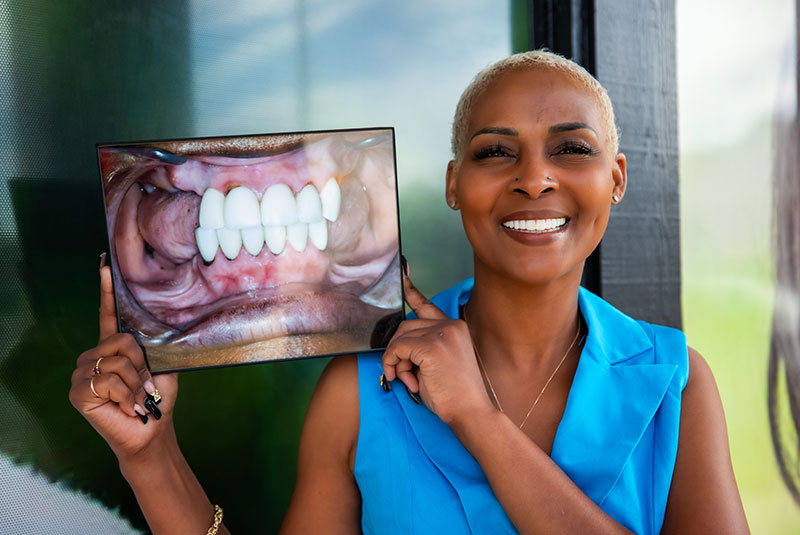
Los Angeles Mayor Karen Bass unveiled a controversial proposal this week to provide comprehensive dental care to the city’s homeless population, including methamphetamine users who have suffered severe tooth decay. The initiative would be funded entirely by taxpayers, sparking immediate backlash over cost and priorities.
The Proposal’s Scope and Cost
Speaking at a city event, Bass highlighted the dental health crisis among the unhoused population. She argued that missing teeth prevent individuals from succeeding in job searches and reintegrating into society. The mayor called for comprehensive healthcare that includes extensive dental work. Dental experts estimate that restoring teeth for methamphetamine users could cost between thirty thousand and eighty thousand dollars per person. Procedures would include extractions, bone grafts, sinus lifts, implants costing six thousand dollars per tooth, or dentures at approximately five thousand dollars per set.

Medicare Doesn’t Cover Dental
Critics quickly pointed out a glaring disparity in the proposal. Medicare does not cover dental care for senior citizens who have worked and paid into the system their entire lives. Millions of law-abiding Americans pay for their own dental expenses out of pocket. The proposal to extend free comprehensive dental care to drug users while working citizens receive no such assistance has ignited fierce debate about fairness and fiscal responsibility. Some commentators noted the program would likely funnel taxpayer money through nonprofit organizations, potentially tripling costs as seen in other California programs.
Political Fallout and Electoral Context
The announcement comes as Bass faces mounting criticism over her handling of Los Angeles’ homelessness crisis and public safety issues. Republican challenger Spencer Pratt has gained traction in recent polling, though Bass maintains a lead. The dental care proposal has become a flashpoint in the race. Opponents argue it represents misplaced priorities while the city struggles with basic services. Bass defended the initiative as necessary healthcare, but avoided addressing cost estimates or funding mechanisms during her remarks.
What This Means
The proposal reflects a broader debate about government spending priorities and accountability. While advocates argue that dental care is essential for rehabilitation, taxpayers question why individuals who made destructive choices would receive benefits unavailable to working families. The initiative also raises practical concerns about fraud prevention and whether expensive dental work provided to active drug users represents effective use of public funds. As California continues to grapple with budget constraints and a growing homeless population, programs like this will likely face intense scrutiny from voters increasingly frustrated with visible urban decay and rising costs.