
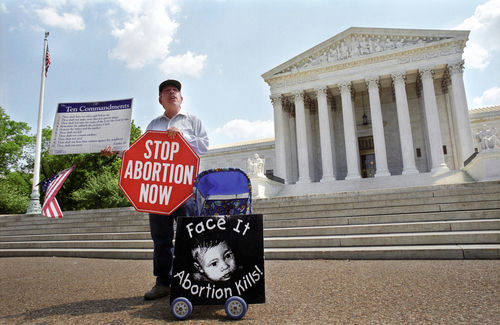
The pro-life movement’s civil disobedience at the HHS headquarters exposed a deep rift within its ranks and ignited debate over the Trump administration’s approach to abortion pill regulations.
Pro-Life Demonstration and Arrests
On January 22, 2026, a group of pro-life activists congregated outside the U.S. Health and Human Services headquarters in Washington, DC. Their mission was clear: push the Trump administration to outlaw the abortion pill, mifepristone. The protest, a peaceful direct action, led to approximately 15 arrests by Capitol Police for blocking the street. This protest took place during the high-profile National March for Life week, amplifying its visibility and sparking broader conversations.
The timing of the protest, during the National March for Life week, ensured maximum visibility. This civil disobedience action represents an ongoing struggle within the pro-life movement, as activists challenge the Trump administration’s perceived leniency on abortion pill regulations, despite its overall pro-life credentials.
Historical Context and Regulatory Changes
The controversy surrounding mifepristone can be traced back to the Biden administration’s decision to deregulate the abortion pill in 2020. This move led to a significant increase in abortion rates, escalating from 630,000 annually in 2019 to over 1.14 million in 2024, according to pro-life sources. In response, pro-life activists intensified their efforts, including conducting clinic blockades that resulted in legal charges under the FACE Act.
Despite President Trump’s pro-life initiatives, such as pardoning FACE Act defendants and funding cuts to Planned Parenthood, the administration’s regulatory stance on mifepristone remains contentious. The FDA’s recent approval of a generic version of the pill, coupled with Vice President JD Vance’s public support for its accessibility, underscores internal disagreements within the administration.
Stakeholders and Power Dynamics
The protest was organized by Rescue Resurrection and featured prominent speakers, including Marjorie Dannenfelser, President of Susan B. Anthony Pro-Life America, and Randall Terry, an organizer and speaker. The protesters’ demands for stricter abortion pill regulations pose a challenge to the Trump administration, highlighting potential fractures within the pro-life movement. Despite the administration’s pro-life measures, activists view its actions on mifepristone as insufficient.
BREAKING: Pro-lifers ARRESTED in Washington DC
Over a dozen pro-life witnesses were arrested this morning in Washington, DC.
Approximately 20 members of Rescue Resurrection, a new group founded by Randall Terry of Operation Rescue fame, were taken into custody outside the U.S.… pic.twitter.com/GSGUu6fJ6J
— LifeSiteNews (@LifeSite) January 22, 2026
The arrests by Capitol Police outside the HHS headquarters underline the legal risks faced by pro-life activists. The FACE Act, which prohibits obstructive conduct against reproductive health services, has been a pivotal legal tool in prosecuting similar actions. The outcomes of any charges filed against the arrested activists could set precedents for future pro-life demonstrations.
Sources:
UpNorthLive: March for Life 2026: Washington DC Parking Restrictions