
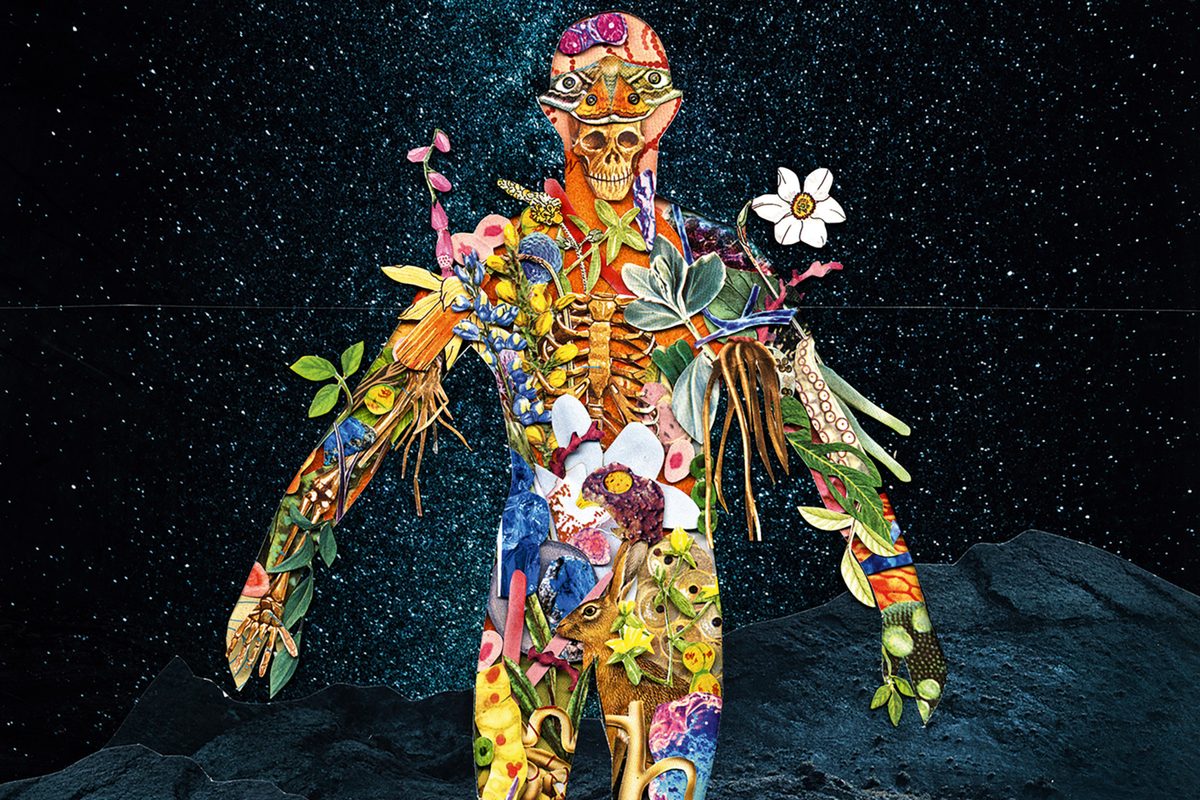
NASA’s latest asteroid sample returns have reignited a controversial scientific theory that life on Earth may have originated from space, challenging our understanding of human origins and raising questions about what this means for American scientific leadership and our place in the universe.
Building Blocks Found in Space Rocks
Two groundbreaking missions—NASA’s OSIRIS-REx and Japan’s Hayabusa2—recently brought asteroid samples back to Earth for analysis. Scientists discovered these space rocks contain organic building blocks of life, lending credibility to a concept called panspermia. This theory suggests comets or asteroids delivered life’s ingredients to our planet billions of years ago. Dr. Jason Dworkin, project scientist at NASA’s Goddard Space Flight Center in Maryland, confirms the idea is plausible, noting that early Earth experienced heavy bombardment from space objects carrying such material.
From Laughingstock to Legitimate Science
When scientists first proposed this theory decades ago, the mainstream scientific community dismissed them. Professor Paul Davies, a theoretical physicist and astrobiologist at Arizona State University, recalls that early proponents were ridiculed. The concept gained brief mainstream attention in 1996 when researchers claimed to find bacterial fossils in a Martian meteorite found in Antarctica. President Bill Clinton addressed the nation from the White House Rose Garden, calling it potentially one of science’s most stunning discoveries. Though those findings were later debunked as non-biological formations, the episode sparked serious scientific inquiry into how life spreads through the cosmos.
What This Means for America
The implications extend beyond academic curiosity. If panspermia proves true, it suggests alien life may be common throughout the universe, fundamentally changing humanity’s self-understanding. These discoveries demonstrate why American investment in space exploration matters—NASA’s missions continue providing answers to civilization’s deepest questions. The research also reinforces the importance of protecting American scientific independence and leadership in space as other nations advance their programs. Understanding our cosmic origins connects to preserving the values that made such discovery possible: freedom of inquiry, constitutional governance, and the pioneering spirit that drives Americans to explore unknown frontiers.
Sources
Sciencefocus: Scientists are now seriously asking if humans were seeded by aliens. Here’s why