
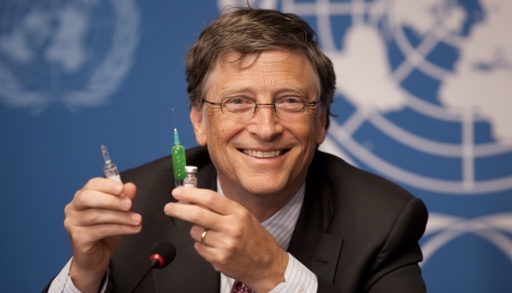
Bill Gates and OpenAI’s new AI initiative in Africa raises concerns about potential overreach and experimentation on vulnerable populations.
Gates Foundation and OpenAI Launch AI Health Initiative
The Gates Foundation and OpenAI have announced Horizon1000, a $50 million program designed to deploy AI-enabled tools across primary healthcare facilities in Africa. The initiative, which was unveiled at the World Economic Forum in Davos on January 21, 2026, aims to address critical healthcare workforce shortages in Africa by augmenting frontline health workers rather than replacing them. The program targets reaching 1,000 clinics by 2028, with Rwanda as the starting point.
The initiative is framed as a responsible use of AI technology to generate tangible social benefits in developing nations. While it promises to address healthcare workforce gaps, there is a growing debate about the ethics of using Africa as a sandbox for AI experiments. Critics argue that such initiatives can undermine local autonomy and may not always align with the genuine needs of African communities.
🚨🌎 Bill Gates at The WEF
“The Bill Gates Clinics is going to 1000 Doctors in Africa and given them AI”
Sounds nice and all Philanthropical – but basically means Bill Gates gets the act as Eugenicist for the whole of Africa whilst getting richer.
The AI will probably… pic.twitter.com/y0C4DHiZFU
— Concerned Citizen (@BGatesIsaPyscho) January 21, 2026
Healthcare Crisis in Sub-Saharan Africa
Sub-Saharan Africa faces the world’s highest child mortality rate and a critical shortage of healthcare workers. Rwanda, for example, operates with about one healthcare worker per 1,000 people, significantly below the World Health Organization’s recommended threshold. Despite anticipated increases in health worker training, Africa is projected to face a shortage of around 6 million workers by 2030. The Horizon1000 initiative seeks to alleviate some of these pressures by supporting health workers through AI tools.
The partnership between the Gates Foundation and OpenAI reflects a significant institutional commitment to deploying AI technology in healthcare systems. However, the power dynamics involved raise questions about Western institutions providing funding and technology while African governments serve as implementation partners. Rwanda’s proactive positioning and existing AI infrastructure suggest a more collaborative approach, but concerns about dependence and control remain.
Bill Gates is on his moves to reduce Africa's population.
I wish every Africa could watch this. 💔💔 pic.twitter.com/BCeliaz68l
— Zoom Afrika (@zoomafrika1) January 20, 2026
Implications and Concerns
The Horizon1000 initiative promises several short-term benefits, including reduced administrative burdens on health workers, improved patient triage, and enhanced communication in local languages. By potentially halving the duration of clinic visits while maintaining quality, the program aims to significantly boost healthcare delivery efficiency. However, long-term success will depend on effective implementation, sustained funding, and genuine partnership with African governments and health workers.
In the long run, the initiative could transform healthcare systems across Africa, serving as a model for extending AI healthcare tools to other developing regions, including India. Yet, the ethical implications of deploying AI in resource-constrained settings must be carefully considered. While the program emphasizes augmentation over replacement, ensuring that AI tools truly enhance rather than undermine local healthcare practices is crucial.
Sources:
Gates Foundation and OpenAI Unveil $50M AI Health Initiative for Africa
Gates Foundation and OpenAI Forge $50M AI Health Partnership in Africa
Bill Gates, Gates Foundation and Sam Altman’s OpenAI Join Hands to Solve Doctor’s Problem
Bill Gates, OpenAI, Africa Aid Cuts: Horizon1000