
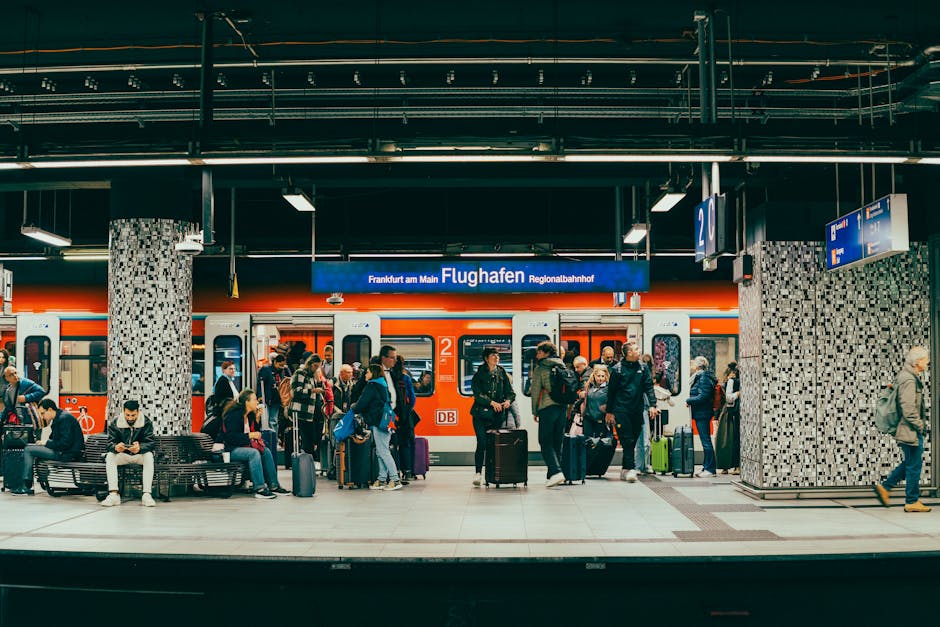
New York’s Pennsylvania Station faces temporary closure during 2026 World Cup matches, sparking fury among commuters who rely on America’s busiest transit hub serving more than 600,000 daily passengers.
World Cup Forces Major Transit Disruption
Transportation officials announced plans to shut down Penn Station on multiple dates coinciding with World Cup soccer matches scheduled for the New York metropolitan area. The station serves as the primary terminal for Long Island Rail Road, New Jersey Transit, and Amtrak passengers. Officials cited security concerns and crowd management as reasons for the unprecedented closure during one of the world’s largest sporting events. The United States will co-host the 2026 World Cup alongside Canada and Mexico, with several matches planned for MetLife Stadium in New Jersey.
Commuters Face Limited Options
The closure affects hundreds of thousands of workers and travelers who depend on Penn Station connections. Alternative transportation routes remain limited, with nearby Grand Central Terminal and Atlantic Terminal unable to fully absorb the displaced passenger volume. Business owners near the station worry about lost revenue during shutdown periods when regular customers cannot access their usual commute routes. Local politicians from both parties have questioned whether adequate planning went into the decision, demanding clearer communication about which specific dates will see closures and what contingency plans exist for stranded commuters.
Security Versus Daily Life
Transit advocates argue that shutting down critical infrastructure for sporting events sets a dangerous precedent. They point out that Penn Station has remained operational during previous major events, including New Year’s Eve celebrations and political conventions. The closures raise questions about whether international sporting events should take priority over the daily needs of American workers. Transportation officials have promised to release detailed schedules showing exact closure dates, though many commuters remain skeptical that alternative arrangements will prove sufficient for managing normal weekday traffic displaced from the nation’s busiest train terminal.