
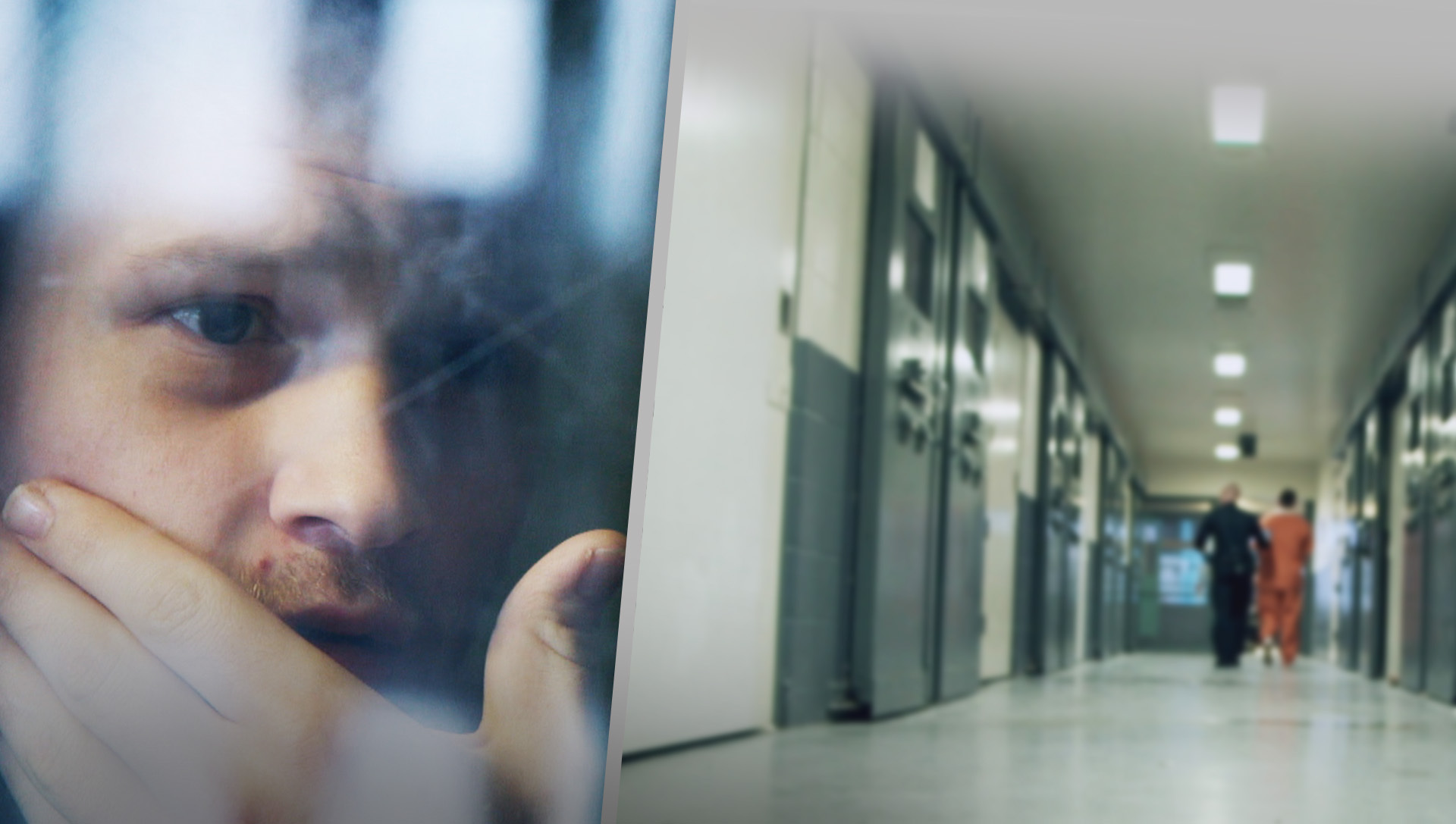
A newly released documentary reveals the severe psychological toll of solitary confinement in American prisons, where tens of thousands of inmates spend 23 hours daily in isolation cells measuring roughly 80 square feet. The practice, described by one prisoner as being buried alive, raises fundamental questions about punishment, rehabilitation, and public safety.
Inside Maine’s Maximum-Security Prison
The 2014 FRONTLINE documentary Solitary Nation captured six months inside Maine State Prison, documenting inmates, correctional officers, and Warden Rodney Bouffard’s efforts to reduce isolation practices. Todd Fickett, serving time for arson, described the experience bluntly in the film. The documentary shows how extended isolation often leads to mental deterioration and self-harm among prisoners, creating a troubling cycle that challenges traditional notions of effective incarceration and punishment.
Warden Bouffard acknowledged the practice has legitimate uses for dangerous prisoners but expressed concern about overuse nationwide. He highlighted a critical problem: inmates who spend years in segregation become increasingly disturbed, yet releasing them directly into communities poses obvious risks. The documentary presents this dilemma without easy answers, showing how correctional facilities balance security concerns against the documented psychological damage of prolonged isolation.
Historical Context and Current Debate
Solitary confinement originated in America during the 1800s as a reform experiment, based on beliefs that isolation would encourage criminal rehabilitation. Prison officials quickly abandoned the practice after observing severe mental health deterioration among isolated prisoners. The approach resurged in the 1980s as officials sought tools to combat prison violence. America now holds more inmates in isolation than any other Western nation, with estimates suggesting tens of thousands remain in solitary confinement daily across criminal justice and immigration detention facilities.
Questions About Long-Term Effects
The documentary follows Adam Brulotte, imprisoned for assault, who was placed in solitary after inciting a riot. During isolation, Brulotte experienced mental deterioration and engaged in self-harm. When asked whether solitary confinement had permanently changed him, he responded with uncertainty, saying he would have to discover the answer after release. His case exemplifies ongoing debates between those who view solitary as necessary for institutional safety and critics who argue the practice is both inhumane and counterproductive to rehabilitation goals. The documentary remains relevant as policymakers continue wrestling with these competing concerns about punishment, public safety, and constitutional protections against cruel treatment.