
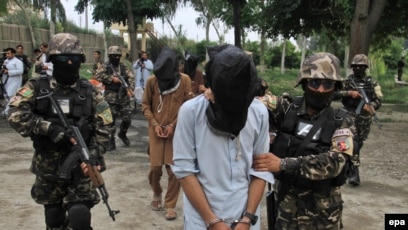
Two devastating terrorist attacks by the Pakistani Taliban have killed over 85 people and exposed critical security failures while straining relations between Pakistan and Afghanistan’s Taliban government, which Pakistan accuses of harboring the militants responsible for the bloodshed.
Deadly Strikes Reveal Intelligence Failures
On January 30, the Pakistani Taliban struck a police headquarters in Peshawar, killing more than 80 officers in the deadliest attack on law enforcement in Pakistani history. A suicide bomber in police uniform breached multiple security checkpoints before detonating explosives in a crowded mosque during prayer time. Just weeks later on February 17, militants penetrated another heavily guarded compound in Karachi, Pakistan’s largest city, killing five more in a three-hour siege. Security experts say both attacks revealed catastrophic intelligence and defense lapses that allowed terrorists to infiltrate supposedly secure facilities.
The Pakistani Taliban, known as the Tehreek-e-Taliban Pakistan, has dramatically escalated operations since Afghanistan’s Taliban took control in August 2021 following America’s chaotic withdrawal. Pakistani officials report militant attacks surged 51 percent in the year after Kabul fell, with over 300 police officers killed since September 2022. The group now possesses sophisticated weaponry, including rocket-propelled grenades and thermal imaging devices abandoned by departing NATO forces.
Failed Negotiations Embolden Terrorists
Pakistan attempted negotiations with the militants in 2021 and 2022, mediated by Afghanistan’s Taliban government. Pakistani authorities released over 100 prisoners and allowed hundreds of armed fighters to return from Afghanistan as confidence-building measures. In exchange, Pakistan received only a brief, largely meaningless ceasefire. The Pakistani Taliban rejected demands to disband, instead insisting on the imposition of Islamic law across multiple provinces, military withdrawal from border regions, and amnesty for all fighters while refusing to disarm. Talks collapsed in November 2022 as violence intensified.
What This Means
Pakistan now faces an impossible choice between accepting terrorist safe havens in neighboring Afghanistan or conducting cross-border military strikes that could destabilize the region. Pakistani officials sent high-level delegations to Kabul in February with detailed intelligence on militant locations, but Afghanistan’s Taliban continues denying the Pakistani Taliban operates from Afghan territory. Pakistan has conducted undisclosed airstrikes on terrorist positions in Afghanistan before and may have no alternative but to strike again. The crisis demonstrates how America’s Afghanistan withdrawal created cascading security failures threatening regional stability and empowering terrorist networks with advanced military equipment originally provided to Afghan forces.