
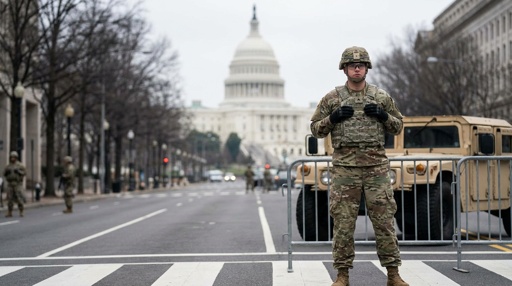
A new directive challenges the traditional military structure, raising questions about operational efficiency and national security.
Understanding Military Hierarchies
The U.S. military is structured into six distinct branches, each with its own hierarchy. The Army, Navy, Air Force, Marine Corps, Coast Guard, and Space Force operate independently but follow a unified command. Each branch’s hierarchy clearly defines roles from top officers to recent enlistees, ensuring clarity and efficiency in operations. This structure is vital for maintaining order and discipline, allowing each service member to understand their role within the larger military framework.
Proposed Changes and Their Implications
Recently, there have been discussions about integrating certain aspects of the military branches to streamline operations. While some argue this could enhance communication and resource sharing, others worry it may dilute the unique capabilities and traditions of each branch. For conservatives, preserving these distinct hierarchies is crucial to maintaining a strong, effective military that respects its long-standing traditions.
Conservative Concerns
Conservative voices express concerns that the proposed changes could lead to confusion and inefficiencies, undermining the military’s operational effectiveness. The strong chain of command that currently exists is a cornerstone of military success, ensuring clear lines of authority and accountability. By altering this structure, there is a risk of eroding the discipline and order that have been the hallmark of U.S. military power.