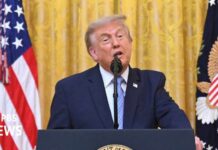
The BBC fight over Donald Trump’s financial records shows how fast a defamation case can turn into a battle over proof.
Quick Take
- Trump’s legal team has refused the BBC’s request for financial records tied to the $10 billion case.
- The BBC says it needs those records to test Trump’s claim of financial harm.
- Trump says the Panorama edit defamed him and damaged his brand and businesses.
- The BBC has apologized for a misleading edit, but it still denies defamation.
Financial Records Fight
Donald Trump’s legal team has declined to turn over financial records the BBC wants in the defamation case. Reports say the broadcaster asked for trust records, asset details, and tax documents to measure the damage Trump claims from the January 6 Panorama edit.[1][2][3] Trump’s side called the demand a fishing expedition and said the 30-day deadline was unreasonable.[3][4]
The BBC’s position is simple. If Trump says the broadcast hurt the value of his brand, properties, and businesses, the broadcaster says it can seek records that test that claim.[2][4] That is standard discovery logic in a large damages case. The fight matters because the size of the award depends on proof, not just political anger or media headlines.[1][2][4]
What Trump Claims Was Wrong
The dispute grew out of a 2024 Panorama documentary about the January 6, 2021 Capitol riot. Reporting says the BBC edit made Trump sound like he urged supporters toward violence, while his full remarks said they should walk “peacefully and patriotically” to make their voices heard.[1][3][4] Trump says the edit was intentional, malicious, and deceptive, and that it caused financial and reputational harm.[1][3]
The BBC has already apologized for the misleading edit and said it accepted the program gave the wrong impression.[2][4] Even so, the broadcaster says that apology does not create defamation liability by itself. It also says the case should be dismissed because the documentary was never broadcast in the United States, which raises a jurisdiction fight on top of the damages dispute.[1][2]
Why The Records Matter
In cases like this, the key question is not only whether a plaintiff feels harmed. Courts also look for measurable loss and a clear link between the statement and the damage. The BBC’s request suggests it wants to see whether Trump’s claimed losses are real, how large they are, and whether they came from the broadcast or from other factors.[2][4] Trump’s refusal keeps that issue front and center.[1][3]
Donald Trump tried his bogus defamation lawsuit stunt on the BBC, but the British broadcaster responded by requesting Trump's financial documents, so now the president is missing deadlines.https://t.co/1j2vqkkSMa
— H. Walter Muchow (@hwm777) June 9, 2026
For conservative readers, the broader lesson is plain. Media institutions can make a public mistake, apologize, and still fight hard to avoid legal accountability. At the same time, a big damages claim still has to be backed by records and hard proof. This case now sits at the point where public outrage, media bias, and courtroom evidence all collide.[1][2][4]
Sources:
[1] Web – President refuses to hand over financial records in BBC defamation …
[2] Web – Trump refuses to hand over financial records in BBC damages case
[3] Web – Trump legal team object to revealing financial records in $10bn BBC …
[4] Web – Trump team refuses BBC request for financial records in $10B …