
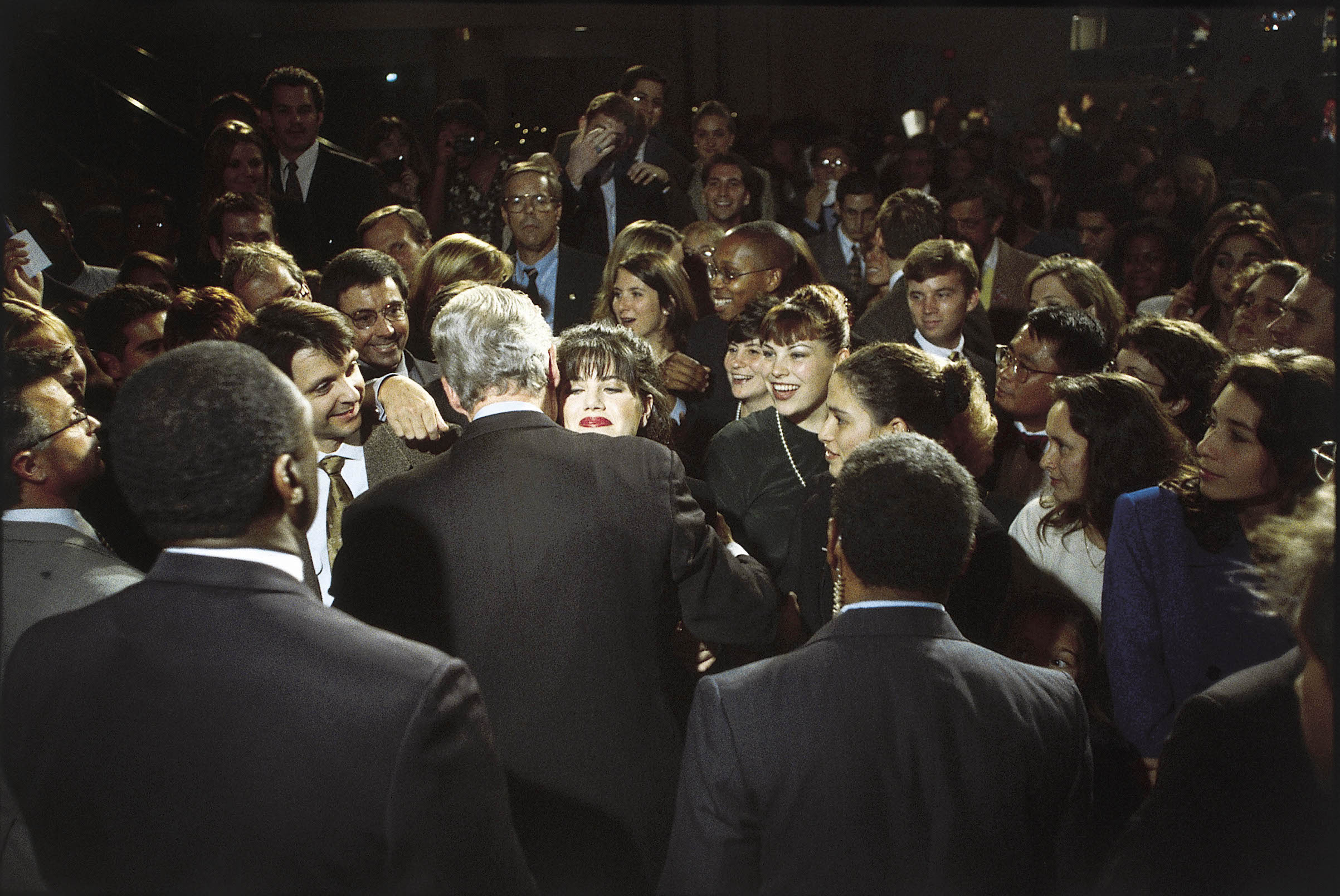
The Clinton-Lewinsky scandal, which erupted publicly 20 years ago, continues to shape American political discourse and serve as a watershed moment in how the nation views executive accountability and personal conduct in the highest office.
How An Unpaid Internship Changed History
In June 1995, Monica Lewinsky arrived in Washington as a 21-year-old college graduate taking an unpaid internship in Chief of Staff Leon Panetta’s office. The position, secured through family connections, appeared ordinary at first. That year marked the beginning of a relationship with President Bill Clinton that lasted approximately two years and ultimately triggered one of the most significant constitutional crises in modern American history.
The relationship remained hidden until early 1998, when revelations dominated national headlines and launched investigations that tested constitutional boundaries. The scandal consumed Washington throughout 1998, leading to impeachment proceedings that divided the nation along partisan lines. President Clinton faced charges that questioned not just personal conduct but fundamental issues of truthfulness and presidential accountability under oath.
Constitutional Crisis and Impeachment
The impeachment process represented only the second time in American history that a sitting president faced removal from office through constitutional procedures. The proceedings sparked intense debate about the standards for presidential conduct and whether personal failings constituted grounds for impeachment under the Constitution’s high crimes and misdemeanors clause. The Senate ultimately acquitted Clinton, but the political and cultural damage persisted for years.
Lasting Political Reverberations
Two decades later, the scandal remains a touchstone in American politics. Lewinsky herself has become a public figure addressing workplace dynamics and power imbalances, recently commenting that blaming interns belongs to the 1990s after Senator Marco Rubio criticized a journalism intern. President Trump hired Emmet Flood, who served on Clinton’s impeachment defense team, demonstrating how that era’s legal battles continue influencing current administrations. As Time magazine observed when 1998 concluded, the impeachment damaged Washington’s already fragile culture of political cooperation, marking not an ending but a beginning of something troubling. The scandal fundamentally altered public expectations about presidential behavior and established precedents for how personal conduct intersects with constitutional duties, lessons that remain relevant in evaluating executive leadership today.