
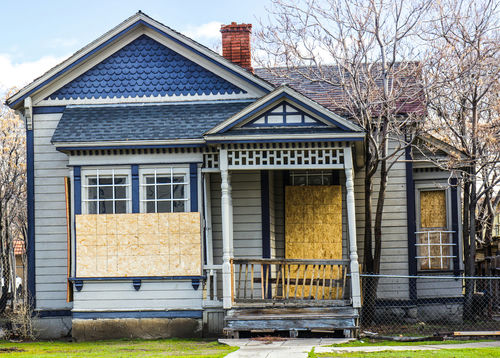
Banks seized 40,000 homes in a single month as America faces a twelve-month surge in foreclosures that’s quietly reshaping neighborhoods from Indiana to Florida—but experts say this isn’t the crisis headlines suggest.
The Numbers Behind the Panic
February 2026 delivered sobering statistics. Active foreclosure filings reached 38,840 properties nationwide, marking the twelfth consecutive month of increases. This 20 percent jump from the previous year sounds alarming until you understand what’s really happening. For 2025 overall, lenders initiated foreclosure on 289,441 properties—a 14 percent increase from 2024. These aren’t random spikes. They’re the mathematical consequence of ending government interventions that paused reality for half a decade.
Indiana earned an unwelcome distinction in this landscape. The state posted the highest foreclosure rate among all states as of February 2026. In September 2025, Indiana’s foreclosure rate hit one in every 2,697 housing units, placing it among the nation’s top five troubled states. For homeowners in the Hoosier State, the American dream collided with financial reality faster than almost anywhere else in the country.
Florida’s Persistent Foreclosure Problem
Florida tells a similar story with deeper roots. The Sunshine State logged 13,837 foreclosure starts in the first half of 2023—second only to California. By the third quarter of 2025, Florida recorded 8,909 foreclosure starts and ranked fifth nationally. Two Florida metro areas, Lakeland and Punta Gorda, showed particularly elevated foreclosure rates in February 2026. The concentration isn’t coincidental. Florida’s combination of rapid population growth, speculative real estate activity, and economic volatility creates perfect conditions for foreclosure clustering.
The timeline variations tell another crucial part of this story. In the third quarter of 2025, foreclosures in West Virginia took an average of 135 days from start to finish. Louisiana foreclosures averaged 3,632 days—nearly ten years and a 27-fold difference. Nationally, the average foreclosure timeline stretched to 608 days in the third quarter of 2025, while the second quarter of 2023 saw timelines reach 1,212 days, the longest since early 2018. These extended periods reflect varying state laws, judicial backlogs, and the lingering effects of pandemic-era processing delays.
The Pandemic Payback Period
Context matters enormously here. During COVID-19, federal moratoriums and forbearance programs artificially suppressed foreclosure activity for approximately five years. Properties that would have normally entered foreclosure in early 2020 sat in limbo. As protections ended, this backlog materialized. Foreclosure starts jumped 219 percent in the first half of 2022 compared to the same period in 2021, with 117,383 properties entering foreclosure nationwide. By the first half of 2023, that number climbed to 135,065 properties—up 15 percent year-over-year and 36 percent from early 2020.
The geographic concentration reveals which communities bear the heaviest burden. In the third quarter of 2025, Texas, Florida, and California accounted for the largest number of foreclosure starts. Among metropolitan areas, Houston, New York, and Chicago led the nation. These aren’t random locations. They’re population centers where pandemic-era financial stress, job losses, and housing market volatility converged most dramatically. Completed foreclosures increased 35 percent year-over-year as of February 2026, but economists characterize this as normalization rather than evidence of broader economic weakness.
What Normal Actually Looks Like
Economists emphasize an important distinction. While year-over-year increases appear dramatic, they primarily reflect the unwinding of pandemic-era suppression rather than a new foreclosure tsunami. The steady twelve-month climb in filings suggests gradual normalization to pre-pandemic patterns rather than sudden crisis. In the third quarter of 2025, foreclosure filings occurred at a rate of one in every 1,402 dwelling units nationwide. That’s elevated compared to pandemic-suppressed numbers but consistent with historical patterns before government intervention distorted the market.
Fears as banks seize 40,000 homes in a single month as foreclosure tsunami sweeps America https://t.co/A55JUqG5F2
— Unapologetic Fun (@stevewells11) March 13, 2026
This distinction matters for policy and personal decisions. The current situation doesn’t signal systemic economic collapse or banking crisis. It reflects what happens when artificial supports end and markets correct. For homeowners facing foreclosure, the distinction offers little comfort. For investors, policymakers, and communities planning for the future, understanding the difference between normalization and crisis determines smart responses. The foreclosure surge is real, but calling it a tsunami misleads more than it informs.
Sources:
Foreclosure Activity in First Half of 2023 Ticks Upwards Towards Pre-COVID Levels
Q3 Foreclosure Activity Experiences Annual Increases
Foreclosure Filings Rise for 12th Straight Month, Homes.com Economist Points to Two Triggers
Foreclosure Activity Continues Slow, Steady Climb Back to Normal Levels
Foreclosure Filings Tick Higher in 2025