
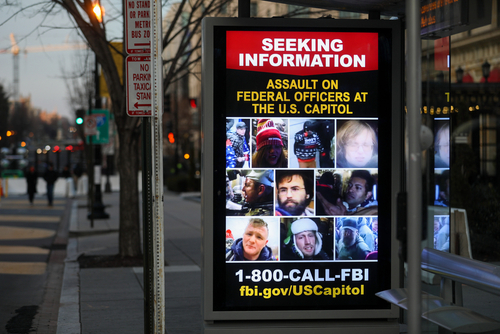
A federal audit reveals that local police are failing to report encounters with individuals on the FBI’s terrorist watchlist, a grave concern for national security.
Local Police Under-Reporting Threatens National Security
The U.S. Department of Justice Office of the Inspector General (OIG) has released a critical audit revealing that state and local police frequently fail to report encounters with individuals on the FBI’s terrorist watchlist. This lack of reporting undermines national counterterrorism efforts, creating potential blind spots for federal agencies tasked with monitoring these threats. The audit, reported by The Washington Times on January 12, 2026, emphasizes the urgent need for improved coordination between local and federal law enforcement agencies.
This audit comes as no surprise to those familiar with the systemic issues surrounding the FBI’s terrorist watchlist. Historically, audits have pointed out the inefficiencies and errors within the system, such as the 2009 report that revealed a 35% error rate in watchlist entries. These findings highlight the ongoing struggles to maintain an efficient and effective counterterrorism database, which is crucial for national security.
Historical Context of the Watchlist System
The terrorist watchlist, managed by the Terrorist Screening Center (TSC), was established post-9/11 to enhance the screening of known or suspected terrorists. Despite its critical role, the system has faced persistent challenges, such as outdated or erroneous entries and the failure to remove cleared names. These issues have fueled criticism from civil liberties advocates like the ACLU, who argue that the system’s inefficiencies compromise both security and individual rights.
In recent years, the watchlist has been involved in screening Afghan evacuees, with the TSC processing thousands of encounters. While the FBI has shown compliance in some cases, such as the vetting of Afghan evacuees, the broader issue of local police under-reporting continues to create significant security vulnerabilities.
Implications and Need for Reform
The implications of this audit are profound, both in the short and long term. Unreported encounters with watchlisted individuals represent missed opportunities to mitigate potential threats, thereby heightening security risks. Over time, the efficacy of the watchlist is eroded, leading to wasted resources and diminished public trust.
The audit reinforces the necessity for Congress to scrutinize and reform the existing protocols, ensuring that local law enforcement agencies are adequately supported and held accountable in their role of reporting to federal authorities. Without such reforms, the systemic failures highlighted by the audit will likely persist, further undermining national security efforts.
Sources:
ACLU: FBI Inspector General Reports 35 Percent Error Rate in Terror Watchlist
OIG Report on Local Police and Terror Watchlist
Washington Times: Fed Audit on Local Police and Terror Watchlist
CRS Insight on Terrorist Watchlist