
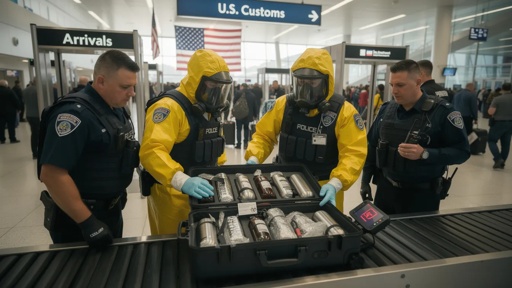
A Chinese researcher’s smuggling of E. coli into the United States raises alarming questions about biosecurity and academic collaborations.
FBI Charges Chinese Researcher
The FBI has charged Youhuang Xiang, a Chinese researcher on a J-1 visa, with smuggling E. coli into the United States. The charges stem from Xiang allegedly receiving a package containing the bacteria from China while working at a U.S. university. Although the specific institution remains unnamed, speculation points towards Indiana University. This case underscores the tension between academic freedom and national security, highlighting the risks of biological materials being misused.
This incident is not isolated. It follows a trend of similar cases, such as the November 2025 charges against three Chinese nationals in Michigan for repeatedly smuggling biological materials. These actions have prompted the FBI to issue strong warnings to universities about the necessity of strict compliance with import laws to safeguard public health and the economy.
Biosecurity Threats and Academic Exploitation
This situation frames a broader narrative of Chinese researchers allegedly exploiting U.S. academic privileges. The FBI, led by Director Kash Patel, points to a pattern of circumventing U.S. laws, posing potential threats to agriculture, the economy, and public health. Patel emphasizes the need for vigilance and compliance, urging educational institutions to play a crucial role in preventing illegal importation of biological materials.
Unlike typical E. coli outbreaks linked to food contamination, this case involves deliberate smuggling for research purposes. This shift from accidental to intentional raises concerns over the potential misuse of biological agents. The ramifications extend beyond the immediate health risks, fueling fears of economic impact if such pathogens were to affect the agricultural sector.
Regulatory and Institutional Responses
U.S. regulations require stringent licensing for importing biological materials, overseen by agencies like the CDC and FDA. These measures are designed to prevent misuse and protect public health. The FBI’s involvement highlights the enforcement power over visa holders and academic institutions, urging them to comply with these protocols to avoid liability and potential security breaches.
Universities find themselves at a crossroads, balancing international collaboration with the need for strict compliance. The pressure to maintain federal funding and visa privileges adds complexity to their role in preventing such incidents. This case serves as a reminder of the delicate balance between fostering academic advancements and ensuring national security.
Implications and Future Outlook
The short-term implications of this case include increased scrutiny of Chinese researchers, potential visa restrictions, and audits of university practices. In the long-term, it could lead to stricter biosecurity protocols and a cooling of U.S.-China academic exchanges. The agricultural sector remains particularly vulnerable, with the risk of potential outbreaks posing a significant threat to agribusiness.
Economically, the potential for crop losses could have far-reaching effects, while socially, public health fears may arise from pathogenic E. coli. Politically, this incident reinforces U.S. rhetoric on perceived threats from China, influencing biosecurity policies and international relations. The research sector faces increased licensing hurdles, potentially stalling collaborations and innovation.
Don’t just talk about it. Deport the Chinese spies! Let’s not be naive about this situation. We do not need another covid outbreak.